
Support Center
Service First, Efficient and Professional
Application Solutions
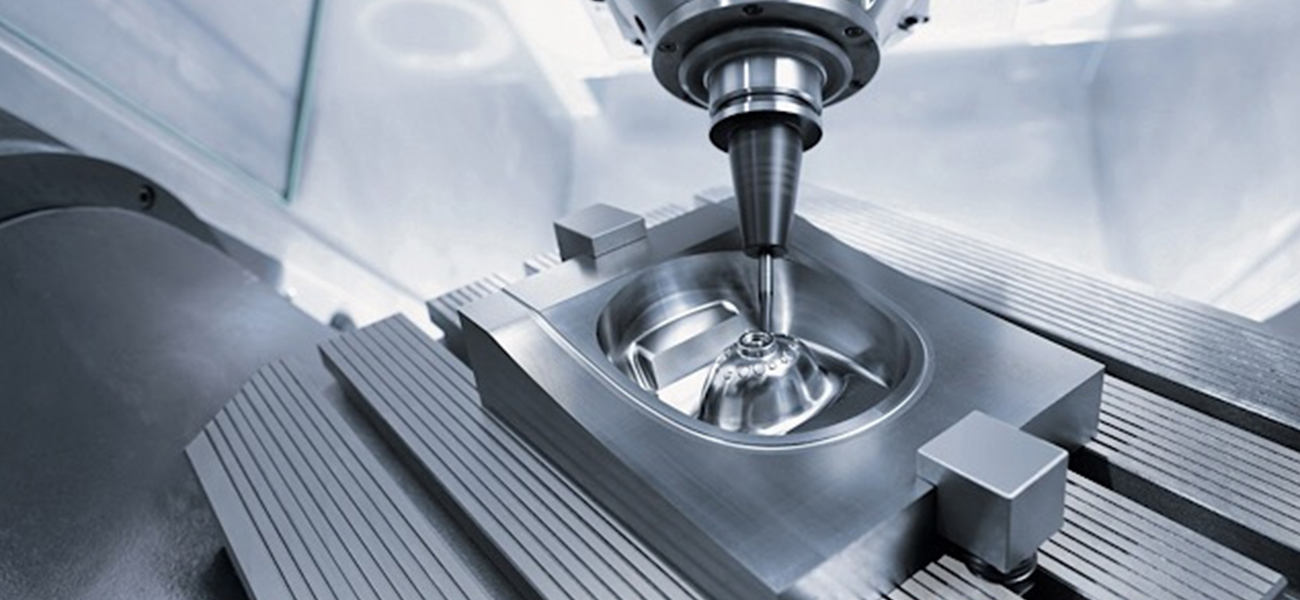
Application of Tungsten Carbide Milling Cutters in Stainless Steel Machining
Abstract: This paper provides a detailed exploration of the application of tungsten carbide milling cutters in the field of stainless steel machining......
Innovative Applications of Engraving Machine Tools in the Woodworking Industry
In today's woodworking industry, with the rapid advancement of technology, engraving machine tools have become indispensable key tools for enhancing production efficiency and achieving precision machining......


End-Effector Solutions for Industrial Robots
In the wave of intelligent manufacturing, industrial robots, as core equipment, are transforming traditional manufacturing industries at an unprecedented pace. The efficiency of industrial robots largely depends on the performance and adaptability of their end-effectors......
Downloads
Technical Support
FAQ: Frequently Asked Questions
Solving Milling Cutter Processing Challenges: Common Issues and Efficient Solutions
Posted on 2023-03-21
In the field of machining, milling cutters, as essential cutting tools, directly impact processing efficiency and product quality through their performance and effectiveness.
Tool Breakage
Tool breakage during cutting into or pulling out of the workpiece is a common problem in milling operations. This is usually caused by excessive feed rate, deep cutting depth, or an overly long cutting edge length.
Solutions: Reduce the feed rate and cutting depth to alleviate the load on the tool. Shorten the cutting edge length to the minimum necessary to enhance tool rigidity. Perform passivation treatment on the tool to increase its resistance to breakage. Replace fixtures or collet chucks to ensure stable tool clamping. Switch to wet milling and use cutting fluid to lower the tool temperature and prevent overheating.
Chipping
Chipping is another common issue encountered during milling operations, often manifesting as small or large-scale chipping on the cutting edge. This may be caused by improper selection of cutting speed and feed rate, excessively high spindle speed, or excessive pressure on the tool.
Solutions: Select the correct cutting speed and feed rate from the machining parameter table to ensure a smooth cutting process. Reduce the spindle speed to minimize the impact force on the tool. Decrease the feed per tooth to reduce the pressure on the tool. Use hydraulic chucks to prevent tool movement or slippage in the clamping device. Increase the coolant flow rate and volume to lower the tool temperature and reduce the risk of chipping.
Excessive Wear of Milling Cutters
After prolonged use, milling cutters may experience excessive wear, leading to a decline in cutting performance and unstable processing quality. This may be caused by incorrect selection of cutting speed and feed rate, excessive pressure on the tool, or improper coating selection.
Solutions: Ensure the correct cutting speed and feed rate are selected from the machining parameter table to avoid excessive wear. Decrease the feed per tooth to reduce the pressure on the tool and extend its service life. Research the applicability of other coatings and select a coating more suitable for the machining material. Increase the coolant flow rate and volume to lower the tool temperature and reduce wear. Regularly inspect the tool for wear and replace severely worn tools promptly.
Other Common Issues and Solutions
Glossy but uneven workpiece surface: Reduce the feed rate and use a high-tooth-count tool to improve surface finish.
Short, fine chips with sticking: Perform micro-rounding and passivation treatment, switch from climb milling to conventional milling, and increase the feed rate or cutting allowance.
Steps on thread profiles: Decrease the feed per tooth to ensure the thread milling cutter mills the thread profile curve at the major diameter of the thread.
Variations in inspection results between workpieces: Minimize the overhang length of the tool in the clamping device to ensure reliable workpiece clamping.
Various issues may arise during the milling cutter processing, but by mastering the correct solutions, processing efficiency and product quality can be effectively improved. It is hoped that the solutions provided in this article will help everyone better address common issues in milling cutter processing, achieving an efficient and stable processing process. Additionally, everyone is welcome to share their experiences and opinions in the comments section to jointly explore best practices in milling cutter processing.
Contact Information & Service Hours

Contact information
+86 15541654865

Service Hours
8:30 a.m. to 6:00 p.m

info@jinruitool.com