Innovative Applications of Engraving Machine Tools in the Woodworking Industry
In today's woodworking industry, with the rapid advancement of technology, engraving machine tools have become indispensable key tools for enhancing production efficiency and achieving precision machining. From simple furniture manufacturing to intricate artistic carving, engraving machine tools, with their high precision and efficiency, are leading a transformation in the woodworking sector. This article explores innovative applications of engraving machine tools in the woodworking industry through several specific case studies.
Case Study 1: Personalized Production of Custom Furniture
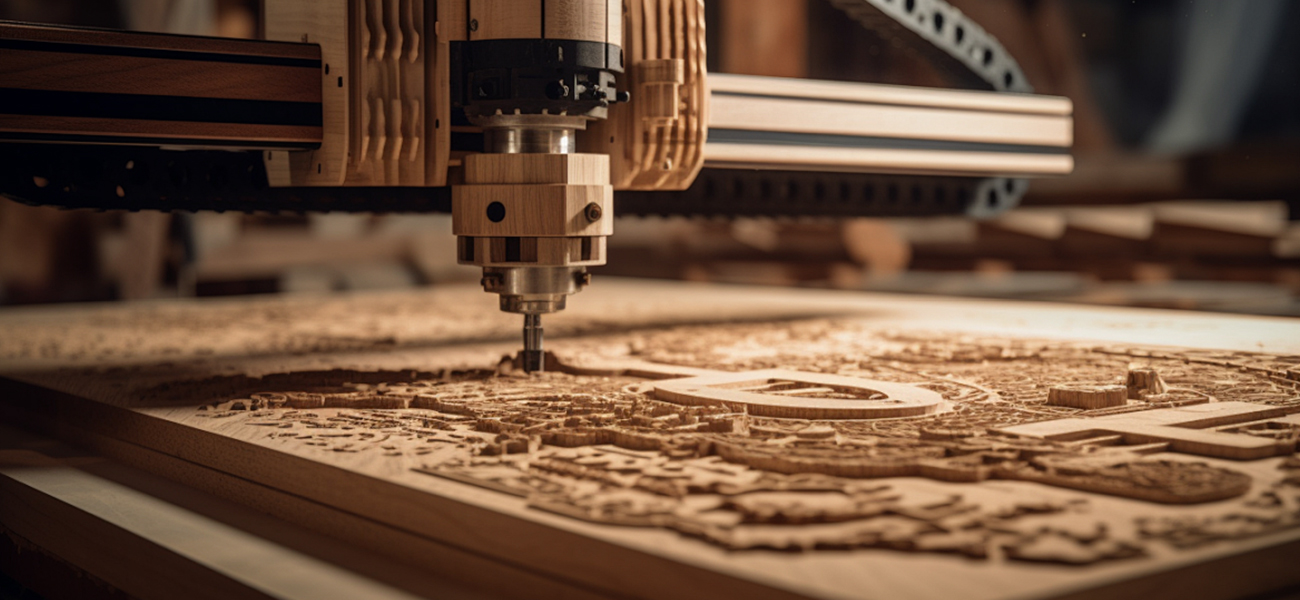
In a high-end custom furniture factory, engraving machine tools are extensively used for carving door panels, decorative moldings, and complex patterns. Through CAD/CAM software design, customers can freely choose or design their preferred patterns, and the engraving machine precisely cuts out various textures and shapes using tools of different shapes and sizes according to preset programs. This process not only significantly shortens the production cycle but also ensures the uniqueness of each piece of furniture, meeting consumers' pursuit of personalization.
Case Study 2: Fine Carving of Wooden Crafts
In the field of wooden crafts, the application of engraving machine tools reaches its pinnacle. Take a workshop specializing in traditional wood carving techniques as an example; they utilize micro-engraving tools to carve exquisitely detailed patterns, such as birds, flowers, and landscapes, onto wood slices as thin as cicada wings, demonstrating high artistic value. The precise control of the engraving machine ensures that each cut is just right, preserving the natural beauty of the wood while imbuing the artwork with new vitality.
Case Study 3: Rapid Processing of Architectural Decorative Materials
In the architectural decoration industry, engraving machine tools also play a crucial role. For instance, when manufacturing wooden ceilings and wall decorative panels, engraving machines can quickly and accurately cut out various geometric shapes and patterns, improving construction efficiency while ensuring consistency and aesthetic appeal in the decorative effects. Additionally, by changing different types of tools, engraving machines can also perform functions such as drilling and milling, meeting the diverse needs of architectural decoration.
Conclusion
The widespread application of engraving machine tools in the woodworking industry has not only driven advancements in woodworking technology but also promoted the diversification and personalization of woodworking products. With continuous progress in material science and CNC technology, engraving machine tools will become more intelligent and precise in the future, offering even more innovative possibilities for the woodworking industry.
End-Effector Solutions for Industrial Robots: A New Driving Force for Intelligent Manufacturing