
Common Milling Cutter Issues and Corresponding Solutions
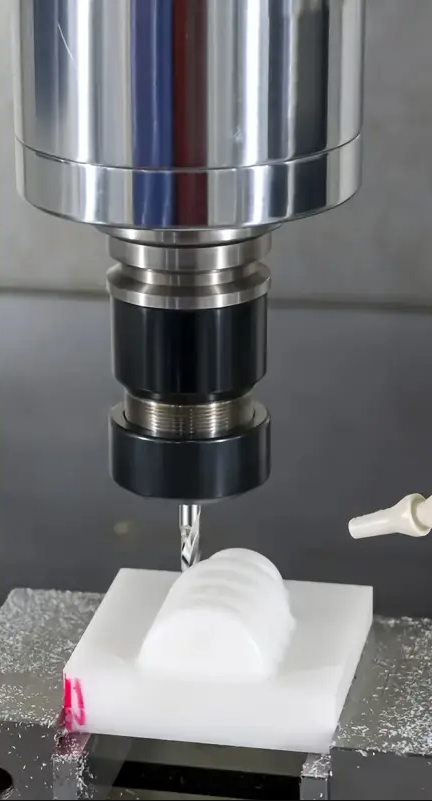
1️⃣ Rapid Tool Wear
Causes:
-
Cutting speed or feed rate is too high;
-
Insufficient cooling or lubrication;
-
Tool coating not compatible with the workpiece material.
Solutions:
-
Adjust cutting parameters appropriately;
-
Increase coolant flow and improve chip removal;
-
Use high-wear-resistant coated tools (e.g., TiAlN, DLC).
2️⃣ Poor Surface Finish
Causes: Tool edge wear, machine rigidity issues, tool holder runout.
Solutions:
-
Replace or re-sharpen worn tools;
-
Check tool clamping accuracy;
-
Use ball nose cutters or lower feed rates for finishing passes.
3️⃣ Tool Chipping or Breakage
Causes: Hard workpiece material, improper feed strategy, high cutting impact.
Solutions:
-
Apply helical or angled feed strategies;
-
Use high-toughness carbide tools;
-
Reduce cutting depth and feed rate.
4️⃣ Vibration / Chatter
Causes: Excessive tool overhang, unstable clamping, poor rigidity of machine or workpiece.
Solutions:
-
Minimize tool extension length;
-
Adjust spindle speed and feed rate to avoid resonance;
-
Use anti-vibration cutter designs or reinforced tool shanks.
5️⃣ Chip Adhesion or Poor Chip Evacuation
Causes: Low cutting speed, inappropriate tool geometry, insufficient chip space.
Solutions:
-
Increase spindle speed;
-
Use high-helix or single-flute cutters;
-
Ensure sufficient coolant flow for effective chip removal.
✅ Conclusion
Understanding common milling cutter problems and their solutions not only improves machining efficiency but also prolongs tool life and reduces production costs.
For customized tool solutions or technical support, contact the Jinrui team to get professional CNC tool advice.
How Are Advanced CNC Cutting Tools Made?
What Is the Difference Between Flat End Mills and Ball Nose End Mills?
