
What is a Chamfering Cutter? Types, Applications, and Best Practices Guide
A chamfering cutter is an essential tool in metalworking, CNC machining, woodworking, and plastic processing. It not only removes burrs and improves part precision but also enhances surface finish. Whether for aerospace components, mold manufacturing, or aluminum, steel, and plastic parts, selecting the right chamfering cutter can significantly boost productivity.
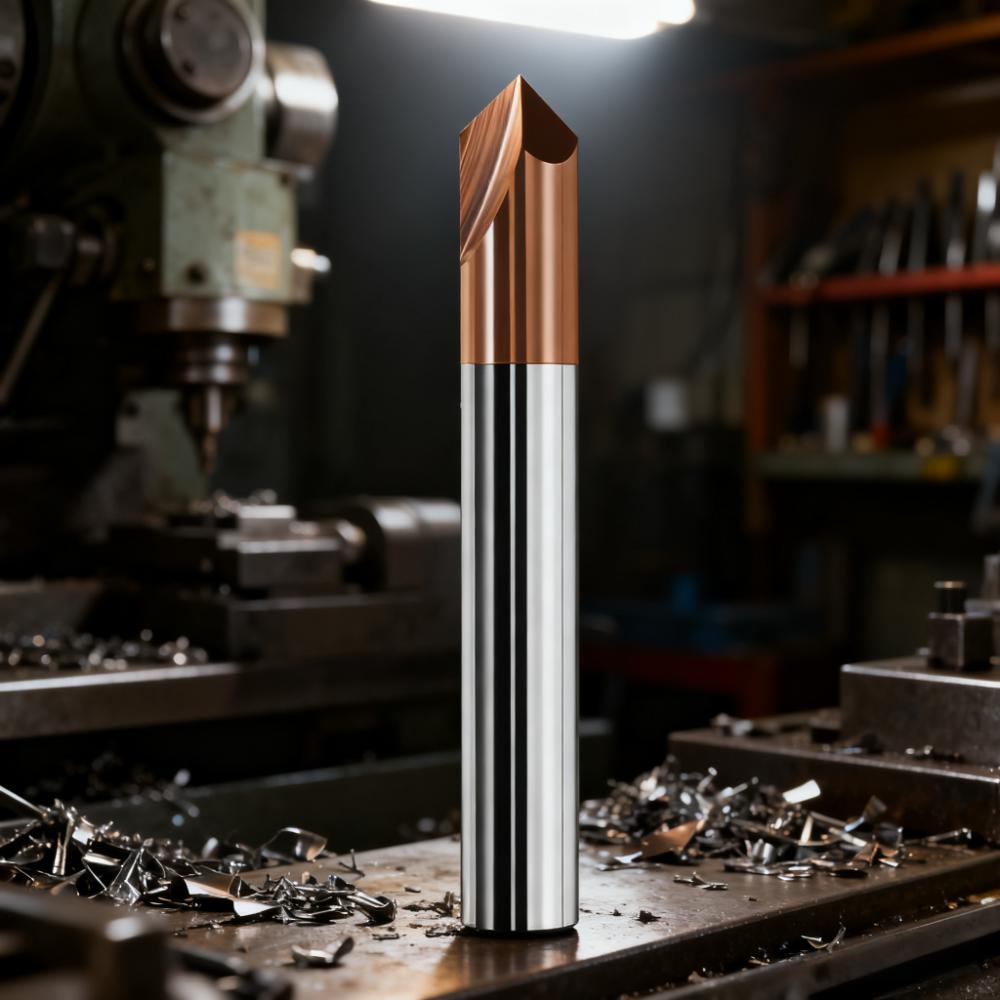
What is a Chamfering Cutter?
A chamfering cutter is a cutting tool used to create beveled edges or chamfers on parts, typically at 30°, 45°, or custom angles. Key benefits include:
-
Deburring: Enhances surface smoothness
-
Edge protection: Prevents breakage and wear from sharp corners
-
Improved assembly: Ideal for mechanical parts and molds
Common types of chamfering cutters:
-
Straight Chamfer Cutter
-
Ball Nose Chamfer Cutter
-
Face Chamfer Cutter
-
Adjustable Chamfer Tool
Material options:
-
High-Speed Steel (HSS): Cost-effective, suitable for low to medium-speed machining
-
Carbide: High hardness and wear resistance, ideal for hard materials
-
Coated Tools (TiN, TiAlN): Improves durability and cutting performance
Applications of Chamfering Cutters
Chamfering cutters are widely used across industries and materials:
-
Metalworking: Stainless steel, aluminum alloy, carbon steel, alloy steel
-
CNC Machining: Edge finishing, hole chamfering
-
Woodworking: Furniture edge chamfering, decorative lines
-
Plastic & Composites: Burr removal, crack prevention
Choosing the right cutter for the material and angle ensures efficient machining and high-quality results.
Best Practices for Using Chamfering Cutters
To ensure chamfering quality and extend tool life, consider the following best practices:
-
Tool Selection: Choose based on material, chamfer angle, and depth
-
Cutting Parameters: Maintain proper cutting speed and feed rate
-
Coolant Use: Use coolant when machining hard materials to reduce tool wear
-
Step Cutting: For large angles or deep chamfers, cut in multiple steps
-
Regular Inspection: Monitor tool wear and replace promptly to maintain precision
Maintenance and Care
-
Clean after use: Remove chips and oil residues
-
Protect coatings: Avoid high temperatures and harsh chemicals
-
Proper storage: Store tools separately to prevent edge damage
Proper maintenance extends tool life and ensures stable, precise machining.
Conclusion
Chamfering cutters are indispensable in precision machining and part production. Understanding tool types, applications, and best practices helps companies improve efficiency, quality, and cost-effectiveness.
What Are the Common Types of Milling Cutters?
How Are Advanced CNC Cutting Tools Made?
